Sweltering days are on the way, and few things wreck a summer faster than an air conditioner that quits, leaks, or spikes your electric bill. What’s the culprit? Many systems sit idle for months, collecting dust, clogging filters, and losing efficiency. Do a quick maintenance routine before the first heat wave and you’ll cut running costs, prevent breakdowns, and keep rooms cool when it counts. Here’s a complete AC maintenance checklist you can finish in under an hour, plus expert-level tips to protect your system all season.
The AC Maintenance Checklist: 12 Steps for a Cooler, Cheaper Summer
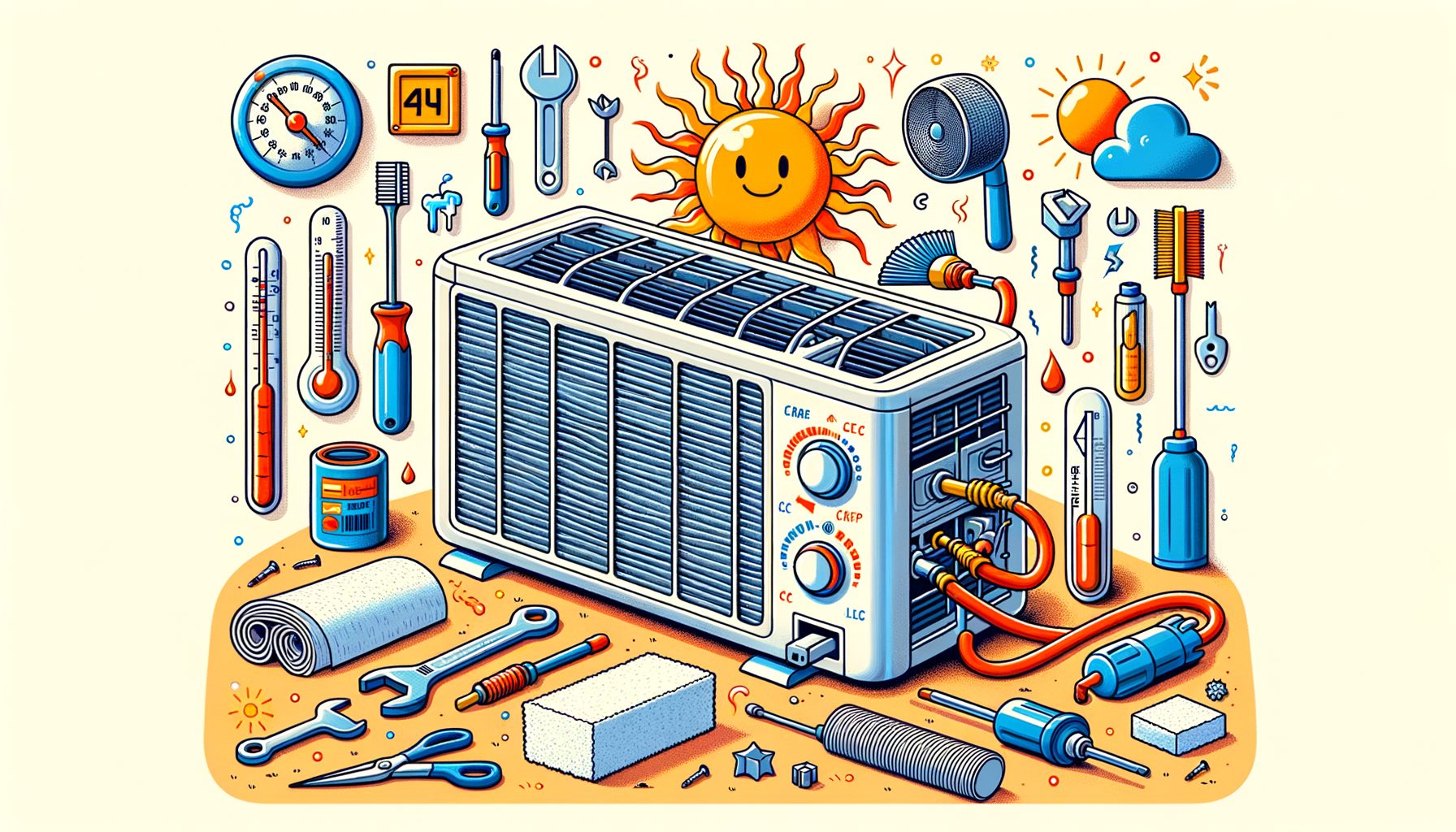
Well, here it is: your no-stress, start-to-finish air conditioner maintenance checklist. Fancy tools aren’t required—just patience, a cleaning cloth, a hose, a flashlight, and basic safety. Always cut power at the disconnect or breaker before opening any panels.
1) Safety first: Turn off power at the outdoor disconnect and indoor breaker. Confirm the fan is not running. Coil fins are sharp, so wear eye protection if you’re working nearby.
2) Thermostat test: Start at 78°F (25–26°C) for a comfort/cost balance—drop it a touch for a quick test. Verify the system responds, the fan engages, and cool air reaches multiple rooms. Smart tip: program “away” setbacks to save energy without sacrificing comfort.
3) Replace or clean the filter: A clogged filter chokes airflow, strains the compressor, and may freeze the coil. Choose a MERV 8–13 filter for a solid mix of filtration and airflow. In dusty or pet-friendly homes, change monthly; otherwise every 60–90 days. Mark the change date on the frame.
4) Clear registers and returns: Vacuum grilles, remove pet hair, and keep furniture or curtains at least 12–18 inches (30–45 cm) from vents. Better airflow delivers better cooling and quieter operation.
5) Clean the outdoor condenser: If accessible, gently hose from the inside out to rinse pollen and dirt from the fins. Maintain 2 feet (60 cm) of clearance on all sides, trim vegetation, and remove leaves. Avoid high-pressure sprayers—they bend fins and reduce heat exchange.
6) Check the indoor evaporator coil: Visible dust or biofilm means lost efficiency. Light surface dust can be carefully wiped or vacuumed with a soft brush. Heavy buildup, coil removal, or chemical cleaning is a pro job—DIY chemicals can damage fins.
7) Flush the condensate drain: Pour a cup of distilled vinegar into the drain line access to discourage algae. Ensure the drain pan is clean and the float switch (if present) moves freely. A blocked drain can overflow and damage ceilings or walls.
8) Inspect ducts you can see: Look for disconnected boots, crushed flex duct, or gaps. Seal small leaks with mastic or UL-181 foil tape (not cloth duct tape). Leaky ducts can waste 20–30% of your cooling.
9) Clean the blower compartment: With power off, gently remove dust from the blower wheel and housing using a soft brush and vacuum. Built-up dust unbalances the wheel, causing vibration, noise, and reduced airflow.
10) Check electrical visuals: Without touching components, scan for scorch marks, loose wires, or pitted contactors. Leave electrical repairs to licensed pros—early detection helps prevent peak-heat failures.
11) Insulate refrigerant lines: Replace any missing or crumbling foam on the larger suction line outside. Good insulation improves heat removal.
12) Run a performance check: After restoring power, let the system run 10–15 minutes. Supply air should measure about 15–20°F (8–11°C) cooler than return air. Listen for odd noises, confirm strong steady airflow, and verify the outdoor fan and compressor run smoothly. Ice on lines or the coil? Shut down and call a technician—low airflow or refrigerant issues could be the cause.
Bonus for mini-splits and window units: Clean or replace filters monthly, gently wash the coils and drain channels, and ensure clear outdoor airflow. Many steps above still apply.
DIY vs. Professional HVAC Tune-Up: What to Do, What It Costs, and How Often
Handle filters, vents, drain flushing, outdoor cleaning, and basic inspections with confidence. Tasks such as measuring refrigerant superheat/subcool, deep coil cleaning, electrical testing, and airflow balancing require pro tools and training. A blended approach typically delivers the best performance and value.
How often? Replace filters every 1–3 months (monthly in summer or dusty homes). Do the full DIY checklist at the start of the cooling season, then quick re-checks mid-summer. Schedule a professional HVAC tune-up once a year for central AC and twice a year for heat pumps (before cooling and heating seasons).
What does a pro visit include? Expect coil and blower inspection, refrigerant charge checks (superheat/subcool), electrical testing, temperature drop and static pressure readings, drain cleaning, and system calibration. Ask for a written checklist and before/after readings. If you heat with a gas furnace and cool with the same air handler, ask the tech to confirm the shared components are clean and safe.
Costs vary by region. A standard tune-up often ranges from $80–$200 USD, with deep coil cleaning or repairs extra. In high-demand months, prices rise and appointment slots fill fast—book early in spring for better rates and availability. Under manufacturer or installer warranties, annual maintenance may be required to keep coverage intact—save receipts and service reports.
Safety matters. Refrigerants can be hazardous, and improper handling is illegal in many countries. Dangerous voltages can remain in electrical cabinets even with breakers off due to capacitors. If a task exceeds your comfort level, stop and call a licensed HVAC pro. For guidance on choosing a contractor, see ENERGY STAR’s advice: https://www.energystar.gov/campaign/heating_cooling/repair_replace
Renters and multifamily residents: You can still clean filters, vents, and visible drains. For outdoor units you don’t control, report issues early so building maintenance can service them before temperatures spike.
Climate context: In coastal, humid, or high-pollen areas, filters need more frequent changes and drain lines clog faster. In dry climates, dust and fine grit can quickly load coils and filters. Adjust your schedule based on local conditions and how often you run the system.
Boost Efficiency and Indoor Air Quality: Smart Thermostats, Ducts, and Airflow Tuning
Once your air conditioner is clean and checked, small upgrades and smart habits can lock in savings and comfort. For scheduling, smart thermostats with geofencing and adaptive learning can cut cooling costs by around 8% or more by avoiding waste when you’re away, then pre-cooling before you return. If your routine is consistent, a simple programmable thermostat works well—keep setbacks modest to avoid excessive re-cooling in extreme heat.
Ducts are the stealth culprit. Studies show typical homes lose 20–30% of conditioned air to duct leaks, especially in attics and crawl spaces. Sealing with mastic and adding insulation where ducts run through hot spaces can transform comfort and shorten cycle times. Balanced airflow matters just as much; closed vents and crushed flex runs raise static pressure, making your blower work harder and your rooms uneven. Aim for clear paths and open returns; if a room stays hot, ask a pro to measure static pressure and adjust blower speed or duct dampers.
Air filters pull double duty for health and performance. MERV 8–13 captures dust, pollen, and many aerosols, though higher MERV can increase resistance. If you move to MERV 13 for better indoor air quality, monitor airflow and noise. Portable HEPA units can supplement filtration in bedrooms or home offices without burdening your HVAC. Keep humidity between 40–60% to feel cooler at the same temperature; use a hygrometer and consider a dehumidifier in very humid climates.
Cut the heat your AC must fight. Shade sun-blasted windows, close blinds during peak afternoon hours, cook earlier in the day, and seal big air leaks around doors and windows. These small steps lower indoor heat gain and let your AC cycle less often.
Fast facts you can use:
| Action | Typical Impact | Source/Notes |
|---|---|---|
| Replace clogged filter | 5–15% lower energy use; fewer freeze-ups | ENERGY STAR/DOE guidance |
| Clean condenser coil | Up to 10–15% better efficiency | Field studies and manufacturer data |
| Seal leaky ducts | Recover 20–30% lost air; faster cooling | DOE/LBNL studies |
| Smart thermostat scheduling | ~8% cooling savings on average | ENERGY STAR estimates |
| Raise setpoint 1°F (0.5°C) | ~3–5% energy saved per °F (0.5–1°C) | DOE Energy Saver |
For deeper guidance on airflow, duct design, and humidity targets, see ASHRAE and ENERGY STAR resources. Practical tip: Track your kWh on your utility app before and after maintenance—watching the drop in daily usage confirms your checklist worked.
FAQs: Air Conditioner Maintenance
Q: How often should I change my AC filter? A: Check monthly during summer and replace at least every 60–90 days. If you have pets, allergies, smoke, construction dust, or run the AC nearly 24/7, plan on monthly changes. Write the date on the filter and set a phone reminder so you never forget.
Q: Is chemical coil cleaner safe for DIY use? A: Light dust can be removed with a soft brush and gentle rinse. Foaming cleaners exist, but misuse can bend fins, leave residue, or backflow into the drain. For heavily soiled evaporator coils—or any coil that requires removal—call a professional to avoid damage and ensure proper rinse and reassembly.
Q: What temperature should the air at the vent be? A: After 10–15 minutes of steady operation, supply air is typically 15–20°F (8–11°C) cooler than the return. If the drop is much lower, suspect low refrigerant, airflow restrictions, or sensor issues. If it’s much higher and icing appears, turn the system off and replace the filter or call a pro.
Q: Should I cover the outdoor unit in winter? A: Avoid full plastic covers that trap moisture and invite corrosion or rodents. If you want protection, use a top cover that keeps debris out but allows airflow. Heat pumps that run in winter should never be covered while operating.
Q: Will skipping maintenance void my warranty? A: Many manufacturers require regular maintenance and documentation to honor warranty claims. Keep receipts and a simple maintenance log. If you’re selling your home, a history of service can also reassure buyers and appraisers.
Conclusion: Your Next Moves for a Trouble-Free, Chill Summer
Here’s the big picture: most AC headaches—soaring bills, hot rooms, surprise breakdowns—trace back to fixable issues like clogged filters, dirty coils, and neglected drains. With the maintenance checklist above, you have a clear, repeatable plan to protect your system and your comfort. You know how to test the thermostat, when to replace filters, how to safely clean the outdoor unit, what to watch in ducts and drains, and when to call a pro for deeper diagnostics. Add smart scheduling, tighter ducts, and good airflow habits, and you’ll stay cool with fewer cycles and lower costs.
Act now, before the first heat wave: set a recurring calendar reminder to change your filter, print or bookmark this checklist, and schedule a preseason tune-up if it’s been more than a year. If you rent, handle filters and vents and report issues early. If you own, consider sealing obvious duct leaks and installing a smart thermostat to lock in savings automatically. One hour today can prevent a week of sweat and stress in July.
If this guide helped, share it with a friend or neighbor—it’s the fastest way to help someone avoid a mid-summer AC meltdown. Ready to feel the difference? Grab a fresh filter, step outside with a hose, and give your condenser a quick spa day. Your future, cooler self will thank you.
Stay cool, stay proactive, and enjoy the season. What’s the first maintenance task you’re committing to this week?
Sources and Helpful Links
U.S. Department of Energy – Energy Saver (Cooling and AC Maintenance): https://www.energy.gov/energysaver/central-air-conditioning
ENERGY STAR – Cooling Guidance and Contractor Tips: https://www.energystar.gov/campaign/heating_cooling
EPA Indoor Air Quality (Filters and Ventilation): https://www.epa.gov/indoor-air-quality-iaq
EPA Refrigerant Management (Section 608): https://www.epa.gov/section608
ASHRAE (Ventilation and Humidity Best Practices): https://www.ashrae.org/technical-resources/standards-and-guidelines
Lawrence Berkeley National Laboratory – Duct Leakage Research: https://homes.lbl.gov/