
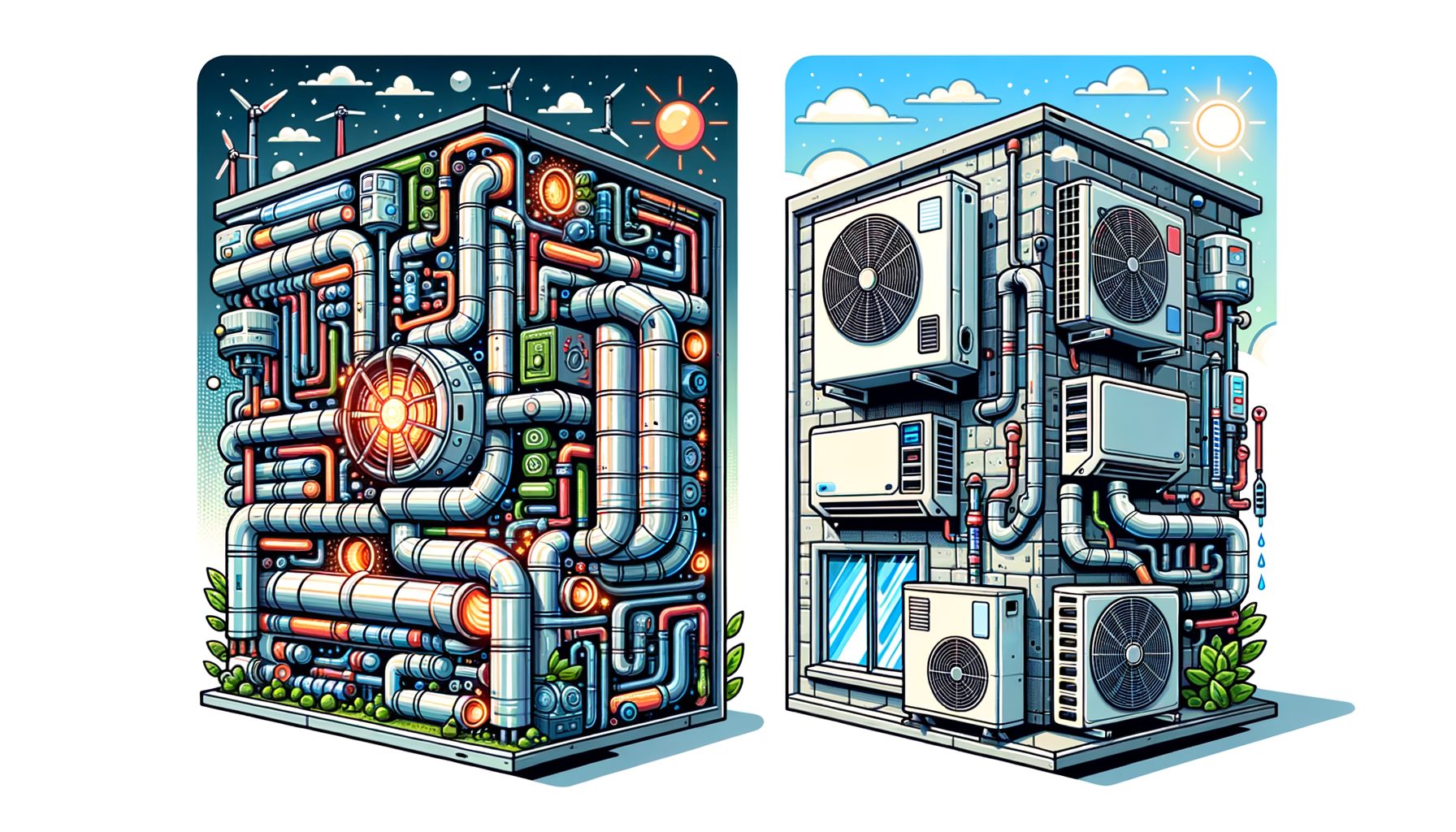
Confused by HVAC vs Air Conditioning? You’re not alone. Many homeowners mix up these terms, and the result can be costly decisions, higher energy bills, and rooms that never feel quite right. In plain language, this guide breaks down HVAC vs air conditioning so you can choose, maintain, and optimize the right system for your climate, budget, and comfort goals. Stick around—by the end, you’ll know exactly what each term means, what components you might already have, and which upgrades deliver the biggest payoff.
HVAC vs Air Conditioning: What Each Term Really Means
When people say “AC,” they usually mean the unit that cools your home. When people say “HVAC,” they mean the entire heating, ventilation, and air conditioning system. That difference matters. An air conditioner only handles cooling and humidity reduction. An HVAC system covers year-round comfort: heating during winter, cooling during summer, and ventilation to refresh indoor air and filter pollutants. Understanding that distinction helps you avoid buying the wrong equipment or missing upgrades that would dramatically improve comfort and air quality.
Air conditioning can be delivered by several technologies: a central split system with an outdoor condenser and indoor coil, a ductless mini-split with one or more wall units, a window unit, or a portable unit. All of these are “AC,” but not all of them are “HVAC.” For example, a window AC has no heating or whole-home ventilation built in. A central split AC attached to a furnace, however, is part of an HVAC system, because the furnace handles heat and the duct network sends conditioned air around your home.
What’s interesting too: modern heat pumps can both cool and heat, using the same refrigeration cycle that moves heat out of your home in summer and into your home in winter. When you install a heat pump with proper controls and ductwork or as a ductless mini-split, it becomes the core of an HVAC system—delivering cooling, heating, and often humidity control in one package. Many homeowners today replace a traditional AC and furnace combo with a high-efficiency heat pump plus electric backup or a hybrid system that pairs a heat pump with a gas furnace.
Ventilation is the third pillar. Without it, stale indoor air, moisture buildup, and indoor pollutants can rise. Some HVAC systems include mechanical ventilation via an energy recovery ventilator (ERV) or heat recovery ventilator (HRV) to exchange stale indoor air with filtered outdoor air while conserving energy. In short, HVAC is the whole ecosystem—heating, cooling, and ventilation—while air conditioning is one piece of that ecosystem focused on cooling and dehumidification.
How HVAC Systems and Air Conditioners Work: Components and Control
An air conditioner’s basic job is to absorb heat from indoors and dump it outdoors. It uses a closed loop of refrigerant, a compressor, an indoor evaporator coil, and an outdoor condenser coil. Warm indoor air passes over the cold evaporator coil, where heat is absorbed and moisture condenses and drains away—hence the dehumidification benefit. The refrigerant carries that heat outside to the condenser coil, and a fan blows across it to release the heat into the outdoor air.
Within a central HVAC system with ducts, that indoor coil sits in an air handler or on top of a furnace. The blower moves air across the coil and through supply ducts to rooms, then returns it via return ducts. With a ductless mini-split, each indoor head has its own small coil and fan, giving you “zoned” control so you can cool only the rooms you use—very helpful for home offices and spare rooms.
Heating in an HVAC system can be provided by different components: a gas furnace that burns fuel to make heat, a heat pump that reverses the refrigeration cycle to move outdoor heat indoors, or electric resistance heaters as backup. Even in subfreezing temperatures, modern cold-climate heat pumps can deliver useful heat thanks to advanced compressors and refrigerants. For ventilation, ERVs/HRVs bring in fresh air while exchanging heat and sometimes moisture to reduce energy loss.
Controls tie everything together. A smart thermostat can learn schedules, control humidity targets, and run fan-only cycles to mix air for consistent temperatures. Variable-speed compressors and inverter-driven mini-splits adjust output in tiny increments, avoiding the “too cold/too hot” swings of older on/off systems. The result is higher efficiency and better comfort, especially in shoulder seasons. If you’ve ever heard a loud outdoor unit kicking on and off all day, that’s an older single-stage design; newer variable-speed systems hum quietly and run longer, steadier cycles.
Another detail that matters: ductwork. Leaky or undersized ducts can waste 20–30% of conditioned air, making any HVAC or AC system feel weak and expensive to run. Then this: good systems start with a load calculation and duct design that match your home—then select equipment with the right capacity. Oversized ACs cool quickly but don’t run long enough to remove humidity, leaving the air clammy. Right-sized is always better.
Energy Efficiency, Costs, and Climate Fit
Efficiency is the quiet superpower in HVAC vs Air Conditioning decisions. Air conditioner efficiency is rated as SEER2 (seasonal cooling efficiency), and heat pump heating efficiency is rated as HSPF2 (seasonal heating). Furnaces list AFUE (annual fuel utilization efficiency). The higher the number, the less energy you need for the same comfort. Variable-speed and inverter systems typically deliver the best real-world performance because they avoid energy-wasting on/off cycling and keep humidity in check.
Upfront cost versus lifetime cost often surprises homeowners. A cheaper, lower-SEER2 AC might save money today but cost more over 10–15 years in higher utility bills. In warm, humid regions, a high-efficiency system that controls humidity well can also protect your home from mold and reduce wear on finishes and electronics. In colder regions, a cold-climate heat pump can shrink heating bills—especially if you’re switching from electric resistance or oil heat.
Well, here it is: typical ranges to help you compare:
| System Type | Typical Efficiency | Installed Cost (USD, varies by size/region) | Best Climate Fit |
|---|---|---|---|
| Central AC (split, single-stage) | SEER2 13–15 | $4,500–$8,500 | Moderate climates, lower upfront budgets |
| Central AC (variable-speed/inverter) | SEER2 17–22+ | $7,500–$13,000 | Hot/humid regions, comfort-focused homes |
| Ductless Mini-Split (single-zone) | SEER2 18–30+, HSPF2 8–12 | $3,500–$7,500 | Homes without ducts, add-ons, zoned comfort |
| Cold-Climate Heat Pump (whole-home) | SEER2 16–22+, HSPF2 8–10.5 | $9,000–$18,000 | Four-season climates, electrification goals |
| Gas Furnace (alone) | AFUE 80–98% | $3,500–$8,000 | Very cold climates with low gas prices |
Incentives can change the math. Many countries and regions offer rebates or tax credits for high-efficiency heat pumps, smart thermostats, and weatherization. In the U.S., check energy.gov/save and energystar.gov/rebate-finder for programs. In Europe, national energy agencies and municipal programs often support heat pumps and insulation. Always factor incentives into your total cost.
Finally, match the technology to your climate and goals. If summers are long and humid, prioritize high SEER2 and strong dehumidification, possibly with a variable-speed AC or heat pump. If winters are dominant, look at cold-climate heat pumps or a hybrid system that uses a gas furnace on the coldest days and a heat pump otherwise. If air quality is a priority, include balanced ventilation (ERV/HRV) and high-MERV filtration in the plan—those are HVAC features beyond simple air conditioning that make the indoor environment healthier.
For deeper guidance on efficiency and standards, see ASHRAE standards and the U.S. Department of Energy’s overview of ratings at energy.gov.
Maintenance, Lifespan, and Indoor Air Quality
Good HVAC isn’t “set it and forget it.” Small, regular tasks protect comfort, efficiency, and your warranty. The simplest habit: change or wash your air filter. A clogged filter stresses the blower, reduces airflow over coils, and allows dust to bypass into your home. For most homes, check filters monthly and replace every 1–3 months, or more often if you have pets or live near dust or pollen sources. Choose at least MERV 8–11 for basic dust and pollen control; if someone has allergies, talk to a pro about MERV 13 and ensuring your blower can handle the added resistance.
Coils need care. The indoor evaporator coil and outdoor condenser coil work best when clean. Have a technician inspect and clean them annually. Keep 2–3 feet of clearance around the outdoor unit and trim plants so airflow is not blocked. Gently hose down the outdoor coil fins in spring; avoid high-pressure washers that can bend fins. Make sure the condensate drain is clear to prevent leaks.
Ducts deserve attention too. If rooms are uneven in temperature, if you smell dust when the system starts, or if you see kinks or gaps in flexible ducts, get them inspected. Sealing and balancing ducts can reclaim 10–30% of lost airflow. In many homes, this is a more cost-effective upgrade than jumping to a bigger unit. If your home is very leaky to the outside, consider air sealing and insulation—HVAC works best in a tight, well-insulated envelope.
Typical lifespans: central air conditioners 12–17 years, heat pumps 12–15 years, furnaces 15–20 years, ductless systems 12–20 years. Lifespan is influenced by climate, maintenance, and installation quality. If your system needs frequent refrigerant top-offs, that’s a red flag—modern systems should not lose refrigerant. Note that many manufacturers are transitioning from R-410A to lower-global-warming-potential refrigerants (like R-32 or R-454B). If you’re replacing equipment soon, ask about refrigerant type and service availability.
Indoor air quality (IAQ) is part of HVAC, not air conditioning alone. Balanced ventilation (ERV/HRV), higher-MERV filtration, and humidity control (40–60% relative humidity is a widely cited target) can reduce allergens, dust mites, and viral persistence. The U.S. EPA has helpful IAQ guidance at epa.gov/indoor-air-quality-iaq. If someone in the home is sensitive to pollutants, consider a dedicated filtration cabinet or a portable HEPA unit for bedrooms in addition to your central filter.
How to Choose the Right System: A Step-by-Step Guide
Start with your problem. Are you too hot in summer? Too cold in winter? Is one floor uncomfortable? Do your bills spike? Clarifying the pain points guides the solution. Next, get a professional load calculation—known as Manual J in North America or equivalent methods elsewhere. A proper load takes into account your home’s size, insulation, window area, orientation, and air leakage. It prevents oversizing and ensures the equipment can dehumidify properly.
Evaluate your distribution. Do you have ducts? Are they sealed and sized well? If ducts are poor or nonexistent, a ductless mini-split (single or multi-zone) can solve comfort issues without major renovation. If ducts are good, a central system may be more cost-effective for whole-home comfort. Multi-story homes often benefit from zoning or separate systems for each floor to stop the “upstairs sauna” effect.
Match the technology to climate and energy costs. In mild to hot climates, a variable-speed heat pump can replace both AC and furnace, lowering annual energy use. In very cold climates, a cold-climate heat pump with electric or gas backup (dual-fuel) balances comfort and economics. If gas prices are low and electricity is expensive, a high-efficiency furnace paired with a right-sized AC may still be optimal. Check local rates and incentives before you decide; see ENERGY STAR HVAC guidance for benchmarks.
Consider control and comfort features. Smart thermostats, humidity setpoints, and room-by-room control (zoned dampers or ductless heads) deliver comfort without running the whole house at full tilt. Look at noise levels, too—outdoor unit sound ratings and indoor blower noise can influence placement, neighbor relations, and sleep quality. If you work from home, steady, quiet operation from an inverter system may be worth the premium.
Plan the budget holistically. Include installation quality, permits, electrical panel upgrades (often needed for heat pumps), and maintenance. Ask for multiple quotes that specify equipment model numbers, efficiency ratings (SEER2/HSPF2/AFUE), and scope (duct sealing, line set replacement, pad, condensate handling). If a contractor refuses a load calculation and pushes a larger tonnage “just in case,” that is a red flag. Use contractor directories from reputable organizations like ACCA or review guidance from Energy Saver to vet proposals.
Think long-term. If you may add solar, an electric vehicle, or future home additions, choose scalable systems. Leave space for a larger air handler, specify breaker and wire sizes that allow a future upgrade, and select equipment compatible with modern refrigerants. Good planning today keeps options open tomorrow.
FAQ: Quick Answers to Common Questions
Is HVAC the same as air conditioning? No. Air conditioning is the cooling part. HVAC includes Heating, Ventilation, and Air Conditioning—the whole system that manages temperature, humidity, and fresh air.
Do I need a heat pump if I already have an AC and furnace? Not necessarily. If your AC and furnace are efficient and your bills are reasonable, you can keep them. If you want one system for heating and cooling, lower emissions, or better dehumidification, a heat pump can replace or complement your setup.
What efficiency ratings should I look for? For cooling, higher SEER2 is better. For heat pumps, consider both SEER2 and HSPF2 (or COP for heating performance). For furnaces, higher AFUE means less fuel wasted. Balance ratings with climate, comfort needs, and budget.
How often should I service my system? Replace or clean filters every 1–3 months and schedule professional maintenance annually. Have coils checked, refrigerant levels verified, and electrical connections tested to catch issues early.
What if my rooms are uneven in temperature? It could be duct issues, poor zoning, or oversized/undersized equipment. Ask for a load calculation, duct inspection, and airflow balancing. Zoned controls or ductless heads can solve persistent hot/cold spots.
Conclusion: Your Next Steps to Smarter Comfort
We’ve unpacked HVAC vs Air Conditioning so you can make decisions with confidence. Air conditioning cools and dehumidifies; HVAC is the full system that heats, cools, and ventilates. The right choice depends on your climate, home layout, ducts, and goals for comfort, air quality, and energy costs. Variable-speed and heat pump technologies now offer quiet, precise comfort in most climates, while proper maintenance—filters, coil care, and duct sealing—protects performance and lifespan. Efficiency ratings (SEER2, HSPF2, AFUE) plus incentives and local energy prices will shape your total cost of ownership, not just your upfront bill.
Here’s your action plan: identify your top comfort problems, then request at least two professional quotes that include a load calculation, duct assessment, and clearly listed model numbers with efficiency ratings. Compare options like a right-sized central AC with a high-efficiency furnace versus a cold-climate heat pump with smart controls. Check incentives at ENERGY STAR’s Rebate Finder and read best-practice guidance at Energy Saver. If indoor air quality is a concern, include ERV/HRV ventilation and higher-MERV filtration in your scope.
If you’re ready to move, schedule a home energy assessment first—improving air sealing and insulation often lets you install a smaller, cheaper, and more comfortable system. Then choose quality installation over the absolute lowest price. A right-sized, well-installed system with smart controls will feel better, sound better, and cost less to run for years.
Comfort isn’t a luxury; it’s part of a healthy, productive daily life. Take the next step today: gather your quotes, verify the plan, and choose the system that fits your home and values. You’ve got this—and your future self will thank you every time you step into a home that simply feels right. What’s the first room you want to make perfectly comfortable?
Sources and Further Reading
– U.S. Department of Energy – Energy Saver: https://www.energy.gov/energysaver
– ENERGY STAR HVAC Guidance and Rebates: https://www.energystar.gov/products/heating_cooling and https://www.energystar.gov/rebate-finder
– ASHRAE Standards and Guidelines: https://www.ashrae.org/technical-resources/standards-and-guidelines
– U.S. EPA Indoor Air Quality: https://www.epa.gov/indoor-air-quality-iaq