Inverter AC Technology Explained: How Efficient Cooling Works – inverter-ac-technology
As global temperatures rise and electricity costs continue to climb, many households are searching for cooling solutions that are both powerful and energy efficient. This is where inverter-ac-technology becomes a game changer. Unlike traditional air conditioners that operate in a simple on-and-off cycle, inverter ACs intelligently adjust their performance to match real-time cooling needs. This article explains how inverter AC technology works, why it is more efficient, and how it can transform everyday comfort while reducing long-term energy expenses.
Why Traditional Air Conditioners Waste Energy
The core problem with conventional air conditioners lies in how they manage cooling. Traditional AC units operate using a fixed-speed compressor. When the room temperature rises above the set point, the compressor turns on at full power. Once the desired temperature is reached, the compressor shuts off completely. This repetitive on-off cycle continues throughout the day.
While this approach may seem straightforward, it leads to several inefficiencies. Each time the compressor restarts, it consumes a large amount of electricity. Over time, these repeated power surges significantly increase energy consumption and wear down internal components.
Another issue is temperature fluctuation. Fixed-speed ACs often overshoot the target temperature, making the room too cold before shutting off. As the temperature rises again, the cycle repeats. This constant variation affects comfort, especially during sleep or long working hours.
From a practical standpoint, many users notice higher electricity bills during summer months without a proportional increase in comfort. Studies from energy efficiency organizations indicate that traditional air conditioners can consume up to 30–40% more energy than modern inverter systems under similar conditions.
These challenges created the demand for a smarter solution—one that could maintain stable temperatures while minimizing energy waste. Inverter AC technology was developed precisely to address these limitations.
How Inverter AC Technology Works
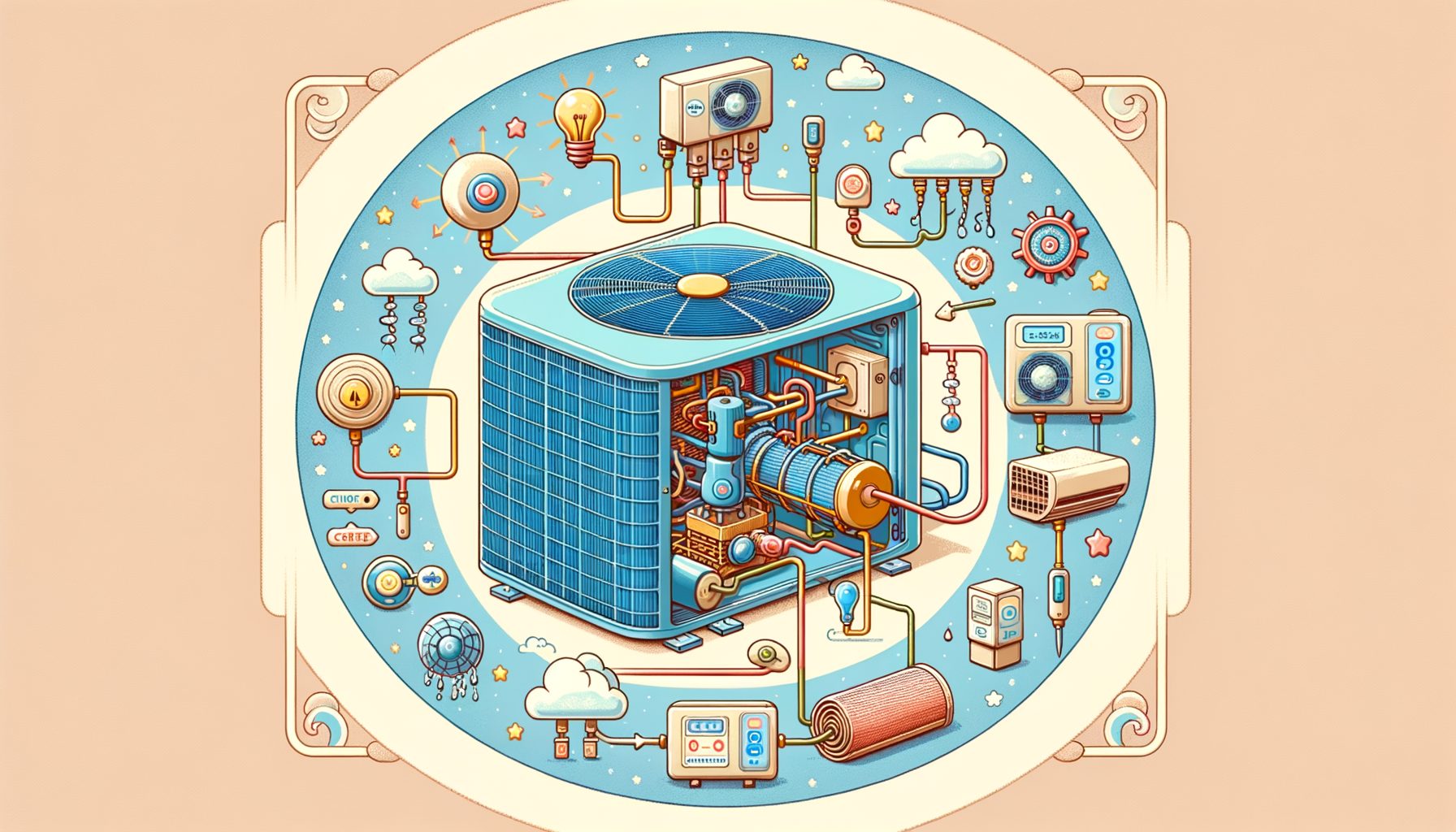
At the heart of inverter-ac-technology is a variable-speed compressor. Instead of turning on and off repeatedly, the compressor adjusts its speed based on the room’s cooling demand. When the room is warm, the compressor runs faster to cool the space quickly. As the temperature approaches the desired level, the compressor slows down rather than stopping completely.
This continuous modulation is what makes inverter ACs so efficient. By avoiding frequent restarts, the system consumes less electricity and operates more smoothly. The result is consistent cooling without sharp temperature swings.
Technically speaking, inverter ACs use advanced electronic control systems to regulate compressor speed. Sensors monitor room temperature, humidity, and even usage patterns. Based on this data, the system optimizes performance in real time.
In everyday use, this means quieter operation, faster initial cooling, and more stable indoor temperatures. Many users report noticeable improvements in comfort within the first few days of switching to an inverter AC.
From an engineering perspective, inverter technology also reduces mechanical stress. Since components are not constantly starting and stopping, the system experiences less wear and tear, contributing to a longer lifespan.
Energy Efficiency and Cost Savings Explained
One of the most compelling reasons to adopt inverter-ac-technology is energy efficiency. By running at variable speeds, inverter ACs use only the amount of power needed to maintain comfort, rather than operating at maximum capacity all the time.
Real-world data shows that inverter air conditioners can reduce electricity consumption by 20–50% compared to non-inverter models, depending on usage patterns and climate. This translates into significant savings on monthly utility bills.
Energy efficiency ratings such as SEER and EER are typically higher for inverter ACs. These ratings reflect how effectively the system converts electrical energy into cooling output over time.
In regions with long cooling seasons, the cost difference becomes even more noticeable. Although inverter ACs often have a higher upfront price, the long-term savings usually offset the initial investment within a few years.
Governments and energy agencies worldwide encourage the adoption of inverter technology as part of broader energy conservation initiatives. For additional insights into energy-efficient cooling, readers can refer to ENERGY STAR Air Conditioner Guidelines.
Comfort, Noise Reduction, and Daily Performance
Beyond energy savings, inverter-ac-technology significantly improves daily comfort. Because the compressor operates continuously at varying speeds, temperature remains stable without noticeable fluctuations.
This stability is particularly beneficial during sleep. Sudden changes in temperature can disrupt rest, while inverter ACs maintain a consistent environment throughout the night.
Noise reduction is another major advantage. Traditional ACs often produce loud sounds during startup and shutdown. Inverter models operate more quietly because they avoid abrupt changes in compressor speed.
Many inverter ACs also feature advanced airflow control, ensuring even cooling throughout the room. This eliminates hot and cold spots, making the space more comfortable overall.
For people working from home or spending long hours indoors, these improvements contribute to better focus, productivity, and overall well-being.
Comparing Inverter and Non-Inverter ACs
Understanding the differences between inverter and non-inverter air conditioners helps buyers make informed decisions. While both systems serve the same purpose, their performance and efficiency vary significantly.
| Feature | Inverter AC | Non-Inverter AC |
|---|---|---|
| Compressor Speed | Variable | Fixed |
| Energy Consumption | Lower | Higher |
| Temperature Stability | High | Moderate |
| Noise Level | Low | Higher |
| Long-Term Cost | Lower | Higher |
While non-inverter ACs may still suit short-term or low-usage scenarios, inverter models are generally better for long-term daily use.
Frequently Asked Questions About Inverter AC Technology
Do inverter ACs really save electricity?
Yes, especially during extended use.
Are inverter ACs more expensive to repair?
Maintenance costs are comparable, and durability is often higher.
Do they work in very hot climates?
Yes, inverter systems perform well in high temperatures.
Is inverter technology suitable for small rooms?
Yes, when properly sized.
How long does an inverter AC last?
Typically longer than non-inverter models.
Conclusion
This article explored inverter-ac-technology by addressing a common modern challenge: achieving effective cooling without excessive energy consumption. We began by examining the limitations of traditional air conditioners and how their fixed-speed operation leads to inefficiency, discomfort, and higher costs.
We then explained how inverter AC technology works, highlighting the role of variable-speed compressors and intelligent control systems. By adjusting output based on real-time demand, inverter ACs deliver consistent comfort while significantly reducing electricity usage.
The discussion also covered energy savings, improved comfort, quieter operation, and long-term durability. Through comparisons and practical examples, it became clear that inverter technology represents a meaningful advancement in home cooling.
The key takeaway is simple: inverter ACs are designed for modern living. They adapt to your lifestyle, reduce environmental impact, and lower long-term expenses without compromising performance.
If you are planning to upgrade your cooling system or purchase a new air conditioner, now is the time to seriously consider inverter technology. Evaluate your room size, usage habits, and energy goals, and choose a system that works smarter, not harder.
Efficient cooling is not just about comfort—it is about making choices that support a better future.
Isn’t it time your air conditioner worked as intelligently as the rest of your home?